The rigidity of human creation, harsh lines on the organic and growing
Why create at all? All humans seem to do is make the earth system less beautiful, ignorant to its patterns and processes.
The designers true awakening.. the ontological fallacies of being a designer
one who creates nothing with natures materials, would not create incorrectly within natures domain
a squeaky clean valedictorian of design meets with a transient sage
The transient has nothing, is nothing and does not fit with the valedictorians design plan
The transient is then a problem and is labeled as such and then put to the side
the designer believes in his design, and believes his form into creation, using tools of logic and aesthetics, and in doing so is self evident as creator. With the popularity of a design, the ego then jumps to the conclusion that what was created was correct and good. An objects popularity can speak to the awareness or ignorance of a population, but the earth system and the ontological most real are the true judges of a designs ultimate fate.
The transient is a result of natures design. He who does not win the ethereal-mind-form-race of ego-minds above earth, inherits the entirety of earth. That which does not escape reality into the high heavens of humanities fantastical delusions inherits the beauty of nature and the burden of humanities creations, no blind eye to broken systems, no ignorace of the waste produced, all of the built beauty and manufactured objects seen only as intertwined with the reality of the object waste created.
Certain spheres of perception encourage the confusion, the suppliers of objects and products are very uninterested in people consuming less.

Object Value and The Human Mind. The Anthropocene & The Disposable Object.
An ancient stone monument in the depths of the jungle, a pyramid, like a mountain. Form and function universally understood on a most basic level.
The appreciation of it ancientness and its earthen solidity speaks to a wisdom lost to modern humans. Our advances in materials and building process seem degradational to the human soul and to the environment. So efficiently can we build another one…
The earth system is not a building
we can not build another one
The intent, purpose, and process of making, a something beautiful lost the Intricacies of antiquity spoke of a focus
The creation process was what was being done, the beauty of it, the beauty of being, no waiting for it to be over. The default of apathy seems to arise in the body and mind, the modern experience seems to have little to offer in terms of the simplistic life, an agricultural artist shaping the ornate sculptures upon Ankor Wat. In the modern era, the distractions of all else, make the dream of such a way immediately seem like a tv show version of what was once the mystic human experience. Stone and forest, the building material and the kitchen-pharmacy.
The steel, glass, and drywall world of now.
The experience of the designed environment, a nature of its own piece-in place-design.
Objects that exist only in relation to other objects, like the car steering wheel lock.
That is where humans, objects and the mind become inherently intertwined.
“I need this one because of that one, then these because of those, and all the accessories for my whatzama-gadget, a second car for the two car garage, and heaps more clothing because this closet is gigantic!”
Billions of people are doing this everyday.
Object interactions are unavoidable.
The mind of humanity is object obsessed. The earth system, the earth mind is not object obsessed. Which one of these process will surmount?
One could see that much object creation seems to lead away from earth connection, either metaphorically or physically. The apex of human creation, the livable objects that leave the earth system, the rockets and space stations, the pinnacle of object orientation, in that a human is completely of object existence in space.
The opposition extreme; “Why the object at all?!”
Object interactions are unavoidable.
A cell phone afixed face, the user building an app in a concrete and steel high rise.
Creativity above consumption becomes an appealing solution, but creation and societal demand become an issue. What is wanted, and what should be done is humanities greatest fault. What humans want and what we should do are almost never the same.
This may be because humans are the earth systems greatest problem. To identify ourselves as the problem is against our nature, so in not doing so we continue to address other things, like how to make money and build things. Hmmm.
Those who work there way past this problem without being killed by the masses are the makings of Buddhas and enlightened beings. The Buddha did not create anything to become enlightened, he passed through an internal battle, sitting under a tree like a homeless person, with nothing but his clothing.
A big problem in terms of the Buddhas enlightenment and modernity – The Buddha did not live in a world of two car garages and cellular telephones. He gave up life in a palace to be transient. In modernity the majority of the western world lives in something considered to be palace like. If it was enlightenment that came from being without object attachment, then what are the majority of us humans doing?
A system of entrapments, financial, lawful and object based define modern living. Mortgage (latin root meaning till death), car life, commute, oil and payments, marriage – legally binding (what does that do to the mind?), the aftermath of “Keeping Up with the Joneses”, and the train of object attachment “I need this one, because of this, and that because of that, and this one goes with that one and we need two more of these because of that one over there.”
From a certain perspective, modern mundane living is pure insanity.
One might say that the battle has become more difficult due to the ubiquitous role of object form in modernity. The Buddha found a freedom of mind without material possession. If this is true, if this is an ontological formula for emancipation, the abandonment of possession, the harmonization with nature and the facing of a monumental internal battle, than why have humans appeared to go the opposite way?
The problem is that in modernity the object world is attractive and overbearing, to be innocent, without object obsession is not just difficult, its cultural blasphemy, and the individual without is attacked internally and externally.
The concrete and steel towers have thier own designed purpose, the architecture and design elements full of meaning both symbolic and physical.
The steel building encourages more of the same, but also creates much beyond their designed intention. A wall, a canvas for a street artist, a plaza, a place where skateboarders defy convention, using the built environment in an innovational way, cutting through the attachments to a design purpose. The illusion of a designs solidity, the structure and the mind of the structure are not permanent, defined, labeled and categorized. A framework of mind believes it so, and believes the world to function as such but this is once again a sliver of reality, a piece of perceptual pie, not the entirety.
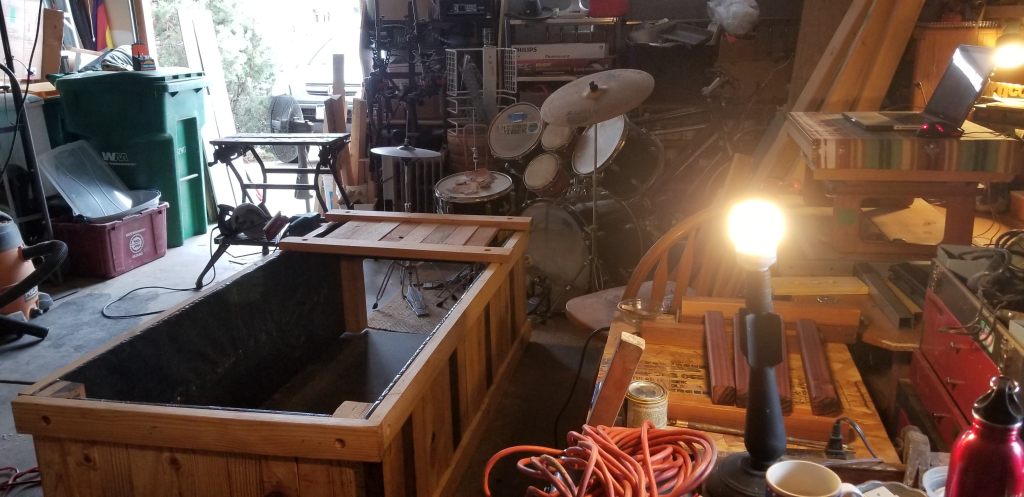
The ever evolving nature of life approaches designed elements of the environment as momentary. The experience of ancient temples, thousands of years after there creation, is much different then from the time at which they were constructed.
Designed for… but approached as…; How nature and the most real illuminates the reality and longevity of a design. How true to reality is it? Meaning does the most real lend form to its creation, the object as a vessel towards the most real, a vessel of clarity towards the emancipation of the mind, rather than into further confusion.
Is clarity in formation, clarity free from chaos and disorder is illusory. Clarity is full of chaos, equal parts chaos to order.
The designer can have a flaw of mental processes in thinking that logically giving form to this idea makes the designers view and process one of clarity, because their design “worked”. Dispite having a function, it infact may be a system of illusions, a solidity of delusion, an object of idealism, a creation that works only because of the belief in it. Its existence maintained as real and purposeful because its believed to be real and purposeful. Without the maintenance of belief, it becomes irrelevant.
The most real mocks modern humanity and the solidity in our design belief systems. The majority of humanity finds themselves consuming someones system or objects of idealism and calling it thier own.
The same as the label and contents inconsistency. The ontology of designing something incorporates an element of making something that is real but not most real. An object about the real, can not make the real, more real. The most real can not be made.
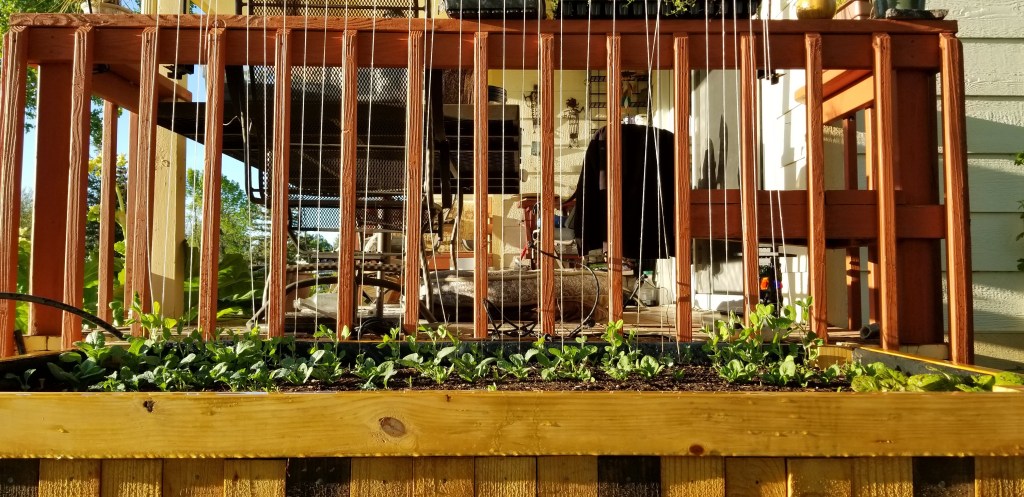
The Maker and the Experience
The modern experience; the natural environment, natures cycles, regenerative systems and the impact of waste in relation to objects. The making of objects from natures materials, all things made by humans, the beauty, truth and function of which is ultimately decided by the processes of regeneration and the universal continuance. The Way decides what is most real.
